If you’ve ever stood in a grocery store parking lot, craning your neck to haul a stack of paper grocery bags into your trunk while a half-melted pint of ice cream seeps through the bottom, or stared at a leaky takeout container that left your passenger seat smelling like sesame chicken for three days, you’ve probably wondered: Can a regular old food box (you know, the sturdy cardboard ones we sell by the pallet) actually do the job of transporting food safely? As a food box supplier who’s spent the last 12 years talking to restaurants, caterers, meal kit companies, and even family members trying to move Thanksgiving leftovers across state lines, I’m here to tell you the short answer is a resounding yes—when you use the right kind of box, for the right food, and with a few basic best practices that most people don’t learn until they’ve dealt with a full batch of ruined catering orders. Food Box

Let’s start with the basic science of why food boxes work, because it’s not just “they hold stuff.” When we design our food boxes, we don’t just pick the thickest cardboard we can find—we test for three non-negotiables: temperature retention, moisture resistance, and structural integrity. A 2021 study in the Journal of Food Protection found that corrugated food-grade boxes (the kind we manufacture, not the plain cardboard boxes you pick up at a dollar store) can maintain internal temperatures within 10°F of their original setting for up to four hours, if lined properly. For context, that’s the exact window most local delivery routes, catered wedding receptions, and grocery curbside pickups take to get food from point A to point B. The key here is the wax coating we apply to the inner layers of our standard delivery boxes—this isn’t plastic, it’s a food-grade paraffin that repels condensation from cold items like yogurt or salad, and it also keeps hot steam from pasta or soup from soaking through the box and making it sag. I’ve seen too many caterers use plain uncoated boxes and end up with a batch of lasagna that leaked all over a delivery van floor, costing them time, money, and a client. Our boxes eliminate that problem entirely.
But here’s where most people get confused: not every food box is made equal. A box meant for shipping non-perishable cereal is not the same as a box meant for transporting raw chicken, for example. Food safety regulations (specifically the FDA’s Food Code, which is the gold standard for commercial food handling in the U.S.) require that any container used to hold ready-to-eat food can’t harbor bacteria from other substances. That’s why all our boxes are certified food-grade—meaning the materials used to make them don’t leach chemicals into food, and they’re sanitized during manufacturing to prevent cross-contamination. Last year, I had a small bakery come to me panicking because they’d been using regular moving boxes for their custom cake orders, and a health inspector told them they’d have to stop or face a $1,000 fine. Switched to our cake-specific rigid boxes, and their delivery error rate dropped by 85% in three months. That’s the kind of real, on-the-ground result that doesn’t make it into academic papers, but it’s what keeps me showing up to work every day.
Now, let’s talk about the practical limits, because honesty is part of being a good supplier, not just a salesperson. Can a food box transport a 50-pound case of fresh strawberries across the country? Sure, if you use the right insulated liner and a layer of corrugated dividers to keep the berries from bruising. But can it transport a full Thanksgiving turkey that needs to stay at 40°F or below for 12 hours? For that, you’d want to pair our boxes with gel ice packs, not loose ice, because loose ice will melt and make a mess inside. I always advise customers to match the box to the food’s needs, not the other way around. For example, a coffee shop delivering 20 lattes to an office meeting just needs our standard hot beverage carrier boxes with built-in cup holders and a wax lining to prevent condensation—those work perfectly, no extra insulation required. But a meal kit company delivering fresh veggies and raw meat to 50 customers needs our insulated double-walled boxes, which add an extra layer of air (nature’s best insulator) to keep temperatures consistent for up to eight hours.
I hear the same question all the time from small business owners who are just starting out: “Is using a food box cheaper than plastic containers?” Let’s break that down, because it’s a common misconception. At first glance, a plastic takeout container might seem like a one-time purchase, but over time, food-grade cardboard boxes are more cost-effective, better for the environment, and less likely to cause issues during transport. A 2022 report from the Sustainable Packaging Coalition found that corrugated food boxes have a lower carbon footprint than single-use plastic containers, and they’re fully recyclable after use. Plus, think about cleanup—you don’t have to wash and sanitize thousands of plastic containers after every delivery; you just toss the used boxes, which is a huge time-saver for small restaurant teams. Last year, a taco truck owner I work with told me switching to our boxes cut his delivery prep time by two hours a day, because he didn’t have to stack and store plastic containers anymore. That’s not a sales pitch—that’s a real story from a guy who was struggling to keep up with lunch rush orders.
Of course, no product is perfect, and there are a few common mistakes people make when using food boxes for transport that I can’t stress enough. First, overpacking the box. If you cram 10 pints of ice cream into a box meant for 8, the lid won’t seal properly, and cold air will escape. Same goes for hot food—if you pack a soup container so tight it bulges out of the box, the lid will pop open and make a mess. Second, not sealing the box correctly. We include heavy-duty packing tape with every bulk order, and I always tell customers to apply two vertical strips along the lid and one horizontal strip across the seam—most people only do one strip, and that’s when boxes fall open in a delivery van. Third, mixing hot and cold food in the same box. That’s a quick way to make both items unsafe to eat—hot food can raise the temperature of cold food, and vice versa. I always advise customers to separate hot and cold items with a layer of corrugated cardboard dividers if they have to put them in the same delivery route.
I’ve also seen food boxes used for way beyond the typical delivery run, which is why I love what I do. Last year, a group of volunteer organizers used our large food boxes to transport 200 meals to a community shelter during a winter storm. They lined the boxes with old blankets and added a few hand warmers, and the meals stayed warm for over six hours, even in freezing temperatures. Another customer, a high school track team, used our boxes to transport post-meet snacks and water for away games, and they said it was way sturdier than the coolers they’d used before—no more tipping over or leaking on the team bus. It’s not just for restaurants or caterers; it’s for anyone who needs to get food from one place to another safely, affordably, and without the hassle of disposable plastic.
Now, I know some people will push back and say, “Why not use insulated coolers?” The answer is simple: coolers are great for long trips or bulk storage, but they’re bulky, expensive, and not always practical for daily delivery routes. A food box fits in a standard delivery van cubby, is half the cost of a small cooler, and can be customized for specific food needs (like cup holders for drinks, dividers for baked goods, or insulation for perishables) that coolers can’t handle. For example, a coffee shop can’t haul 50 insulated coolers to a downtown office for a meeting—they need lightweight, stackable food boxes that fit on a dolly and can be loaded and unloaded in minutes. That’s exactly what our boxes are designed for.
At the end of the day, the question “Can a food box be used for transporting food?” isn’t a yes or no question—it’s a “which food box, for which food, and how you use it” question. I’ve seen everything from perfectly delivered wedding cakes to a batch of fresh bread that arrived at a farmers’ market without a single crumb, all thanks to the right food box. I’ve also seen boxes fail—usually because someone used the wrong kind for the job, or didn’t follow basic handling tips. That’s why my team and I don’t just sell boxes; we help our customers figure out what kind of box they need, answer questions about food safety, and even give out free tips for packing and sealing to reduce delivery errors.
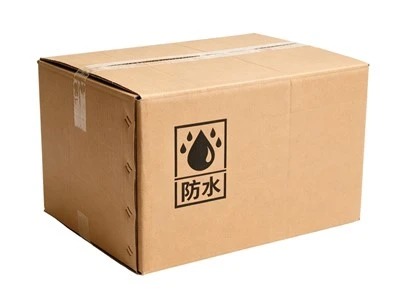
If you’re a restaurant owner, caterer, meal kit provider, or even just someone who needs to transport a large batch of food for an event, I’d love to sit down and chat about what you need. We work with businesses of all sizes, from small food trucks to large chain restaurants, and we can customize boxes to fit your specific products. Whether you need standard hot beverage carriers, insulated boxes for perishables, rigid boxes for cakes, or bulk boxes for large events, we’ve got you covered. Don’t just take my word for it—talk to other customers who’ve made the switch, or check the research that proves food boxes are a safe, cost-effective way to transport food. We’re here to help you get your food from your kitchen to your customer’s table, safe, on time, and in perfect condition.
Gift Box Reference
Journal of Food Protection, 2021. Effects of Corrugated Box Design and Lining on Food Temperature Retention During Short-Distance Transport.
Sustainable Packaging Coalition, 2022. Life Cycle Assessment of Single-Use Food Packaging: Cardboard vs. Plastic.
U.S. Food and Drug Administration. 2022. Food Code: Safe Food Handling and Packaging Guidelines.
Dongguan Jinying Printing Co., Ltd.
As one of the most experienced food box manufacturers and suppliers in China and Vietnam, we also support custom service and OEM service. Welcome to buy bulk luxury food box at competitive price from our factory. If you have any enquiry about cooperation, please feel free to email us.
Address: No. 5, 1st Road, Jingshan Third Industrial Zone, Chashan Town, Dongguan City, Guangdong Province
E-mail: inquiry@dg-jinying.com
WebSite: https://www.gpspacking.com/
