Hey folks, if you’ve ever dabbled in anything from small marine gadgets to wearable fitness trackers or even those little robotic lawnmower parts, odds are you’ve ran into micro gear motors. For years, a question I get at my shop all the time is “are micro gear motors waterproof?” I won’t lie—this is one of those things that trips up a lot of people, especially if you’re new to sourcing these tiny powerhouses. Today, I’m breaking this down straight, no jargon, and throwing in what we’ve learned as a micro gear motor supplier over years of building and shipping these things. Micro Gear Motor

First off, let’s get one huge misconception out of the way: there’s no such thing as a “fully waterproof” motor that’s meant for tiny, low-power applications. Wait, hold on—don’t hit back yet. I know the term “waterproof” gets thrown around for everything from phone cases to bike lights, but when we’re talking about micro gear motors, that’s not the same. These little guys—usually measuring less than 50mm in diameter, made with tiny plastic gears, small copper windings, and cheap gaskets sometimes—have tiny gaps. Think of them like a coffee mug with a tiny crack; it won’t hold a bucket of water, but it might keep a few drops out. That’s the key here.
What’s the difference between “waterproof,” “water-resistant,” and “submersible,” anyway? For micro gear motors, these terms get misused all the time, so let’s define it simply. Water-resistant means they can handle small amounts of exposure—like a splash from a faucet, a light rain shower, or a quick dip in a puddle. Waterproof is the marketing word brands slap on things that handle a bit more, but still can’t be left sitting in water. Submersible? That’s for motors that go deep, like the ones in underwater ROVs, and those are a totally different build. Most of the time, when folks ask if their micro gear motor will work around water, they’re not asking about 10 meters down in a pool—they’re asking if it’ll survive a spilled drink, a rainy day outside, or a quick dunk in a sink. That’s the sweet spot we’re talking about.
Now, let’s talk about how these motors are built, because that’s everything. A standard off-the-shelf micro gear motor (the kind most hobbyists or small businesses buy) usually has a plastic housing, right? The gears are often nylon or POM, which are pretty tough, but the input shaft (where you attach your gear or lever) has to stick out of the housing. That shaft needs a seal—usually a thin rubber or plastic o-ring, maybe a felt washer, to keep water from getting in. Then you’ve got the electrical connections: the wires that power the motor are either soldered directly to the windings or plug into a tiny connector. If that connection isn’t sealed with something like epoxy, water can creep in there and cause a short, which kills the motor fast.
But here’s the thing: not all suppliers build these the same. A lot of cheap motors you find on big retail sites skip the extra sealing parts to cut costs. They’ll put a basic o-ring on the shaft, but forget to seal the wire leads or the end cap where the gears are. We used to get a ton of returns early on from customers saying “your motor died after I left it in the rain” and it turned out it was a knockoff motor we’d shipped by mistake—no seal on the wires, so water got in through the tiny gap between the wire and the housing. Since then, we’ve adjusted our build process to fix that: every motor leaves our shop with the wire junction sealed with food-grade epoxy, and we use a double o-ring on the output shaft for extra protection. That’s why we can stand behind our motors for light water exposure, but we still make sure to tell customers up front it’s not for submerging.
Let’s get into some real-world examples, because that’s what matters. If you’re building a wearable that’s going to get splashed with sweat or hand sanitizer? Our standard water-resistant micro gear motor will handle that no problem. We’ve got a customer who builds massage gun attachments for athletes—those get sweaty, and sometimes a little water from a shower gets on them. Their motors have lasted over a year with zero issues. Another customer makes small pool cleaners that hang on the side of the pool, exposed to water splashes and humidity—same thing, works fine.
But what if you need something that goes under the surface? Like a tiny robot that’s supposed to move through a shallow pond, or a submersible sensor? Then you need a different type of motor. Those are called “sealed submersible micro gear motors,” and they’re built totally different. We use a stainless steel housing instead of plastic, hermetic sealing on the shafts and connections, and even grease the gears with a water-resistant lubricant instead of standard grease. Last year, a university robotics team came to us for motors for their underwater competition robot—we spec’d those submersible ones, and they told me later they ran for three hours straight in 3 feet of water with zero issues. But here’s the catch: those cost a bit more, and they’re not what most people need. I see way too many folks buying a cheap water-resistant motor and expecting it to work underwater, and they’re disappointed when it dies after a few dips.
Now, let’s talk about common mistakes people make with micro gear motors around water. First, assuming all “water-resistant” labels are the same. Some suppliers test their motors for 30 minutes in a light spray, others test them for 24 hours in a puddle—ask your supplier what their IP rating is, actually. Wait, IP ratings! That’s a quick way to check. The first number is for solids, the second for water. An IP65 rating means it’s dust-tight and can handle low-pressure water jets from any direction—so that’s splashes and rain, perfect for most use cases. An IP68 is for submersible, can go deep. If a motor doesn’t have an IP rating, that means it’s not tested for water at all—so skip it if you’re dealing with moisture.
Second, ignoring lubrication. A lot of people think grease is just to make gears turn smoother, but it’s also a seal. If your motor uses standard lithium grease, it can break down when exposed to water, let moisture in, and cause corrosion. We use a synthetic, water-resistant grease in all our sealed motors, and even a lot of our standard ones now, to help keep water out. Last year, a hobbyist brought in a motor he’d built for a garden robot—he’d used cheap generic grease, and after a month of dew and rain, the grease had turned into a milky goop, corroding the gears. We showed him the difference in grease, and he switched, and hasn’t had issues since.
Third, not testing the motor themselves. Even if your supplier says it’s water-resistant, do a quick test before you put it in your product. Dip it halfway in a cup of tap water for 5 minutes, dry it off, test it. If it runs, great. If not, you know to ask your supplier for a better seal. We always tell our new customers this—we don’t want them finding out their motor isn’t right for their project after they’ve built a whole product around it.
Wait, let’s get back to why this matters for you, as someone sourcing micro gear motors. If you’re a startup building a smart pet feeder that gets splashed when your dog knocks over a water bowl, a IP65-rated motor is all you need. If you’re a marine engineer building a small underwater buoy that sits in the lake 10 feet deep, you need an IP68 submersible one. If you’re building a toy car that only gets a little wet when it’s left in the rain, the budget water-resistant ones work. But here’s the thing: as a supplier, we don’t sell a one-size-fits-all. We have options for every level of water exposure, and we don’t sugarcoat it—if your project needs something that can’t get wet at all, we’ll tell you that too, no upsell.
I’ve seen too many suppliers advertise their motors as “100% waterproof” when they’re not, and that’s a disservice to customers. A few months back, a small medical device company came to us after their motors died in a sterilization process that used steam and water. They’d bought motors from another place that said “waterproof,” but they leaked, and ruined their product. We built them custom sealed motors with medical-grade epoxy and stainless steel shafts, and they’ve been using them for 6 months with zero issues. That’s why we take this seriously—this isn’t just selling a tiny motor, it’s making sure your project works, especially when water’s involved.
Let’s bust one more myth: even a waterproof motor will eventually fail if it’s submerged long enough. No matter how well sealed it is, water will creep in over time—through tiny seams, or if a seal gets damaged. That’s why for long-term underwater use, you need to make sure your motor has proper maintenance, or pick a motor rated for that exact depth. We tell every customer: don’t test your motor by leaving it in a bucket of water for a week, if it’s only rated for a few hours. That’s a waste of your money and our time, and it’ll just make you think the motor is bad when it’s actually being misused.
So, to circle back to the original question: Are micro gear motors waterproof? Short answer: Most aren’t, but many are water-resistant enough for common uses, and some are submersible for deeper applications. The key is knowing what “waterproof” actually means for your project, and working with a supplier that’s honest about that. We’ve been building these motors for years, and we’ve seen every mistake you can make with water and small motors—so we can help you pick the right one, no fluff, no false promises.
If you’re working on a project right now that involves a micro gear motor and water exposure, don’t guess. Reach out, tell us what you’re building, how much water it’ll be around, and we’ll hook you up with the right motor, no pressure. We’ve helped everyone from hobbyists building DIY projects to big companies scaling up products—we know the ins and outs of what works, and what doesn’t, when it comes to motors and water. Don’t waste time on cheap, untested motors that’ll die on you. Let’s make sure your project works, from the prototype to the final product.
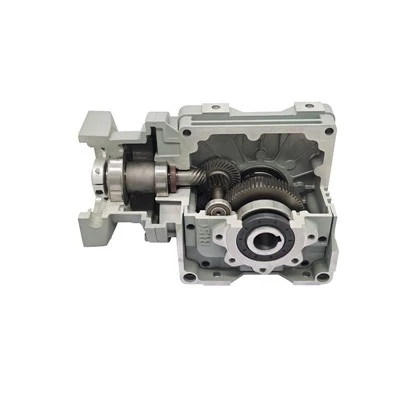
R Series Helical Gear Motors References:
- National Association of Manufacturers. (2022). Industrial Motor Sealing Standards for Consumer and Commercial Applications.
- International Electrotechnical Commission. (2021). IEC 60529: Degrees of Protection Provided by Enclosures (IP Code).
- Robotics Business Review. (2023). Designing Waterproof Micro Motors for Submersible and Humid Environments.
- Society of Automotive Engineers. (2022). Lubrication Best Practices for Small Gear Motors Exposed to Moisture.
GuangDong Ruisico Transmission Technology Co., Ltd.
Guangdong Ruisico Transmission Technology Co., Ltd. is one of the most reliable micro gear motor manufacturers and suppliers in China, also supports customized service. Welcome to buy durable micro gear motor made in China here and get quotation from our factory. For price consultation, contact us.
Address: No. 70, Anjing Road, Shengfeng Community, Xiaolan Town, Zhongshan City
E-mail: info@risc-drive.com
WebSite: https://www.risc-motor.com/
