In the automotive industry, safety is paramount. Workers are exposed to a variety of hazards daily, from sharp metal edges to abrasive surfaces and potentially harmful chemicals. One crucial piece of personal protective equipment (PPE) that often comes into consideration is cut-resistant gloves. As a supplier of cut-resistant gloves, I’ve been frequently asked whether these gloves are suitable for automotive work. In this blog post, I’ll delve into the science, practical applications, and considerations of using cut-resistant gloves in the automotive sector. Cut-resistant Gloves
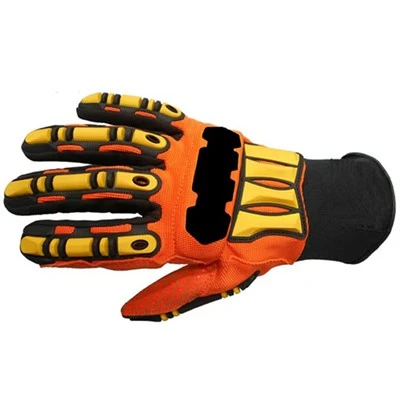
Understanding Cut-Resistant Gloves
Before we discuss their suitability for automotive work, it’s essential to understand what cut-resistant gloves are and how they work. Cut-resistant gloves are designed to protect the hands from cuts, lacerations, and abrasions. They are made from various materials, each offering different levels of protection and performance characteristics.
One of the most common materials used in cut-resistant gloves is high-performance fibers such as Kevlar, Dyneema, and Spectra. These synthetic fibers are known for their exceptional strength and cut resistance. They are woven or knitted into a glove structure, providing a barrier between the hand and potential cutting hazards. Another material used is stainless steel mesh, which offers excellent cut protection and is often used in applications where extreme cut resistance is required.
The cut resistance of gloves is rated according to international standards, such as the ANSI/ISEA 105-2016 in the United States and the EN 388:2016 in Europe. These standards classify gloves into different levels of cut resistance based on the amount of force required to cut through the glove material. The higher the level, the greater the cut resistance.
Automotive Work Hazards
The automotive industry encompasses a wide range of activities, from vehicle assembly and maintenance to parts manufacturing and repair. Each of these activities presents unique hazards to workers’ hands.
- Cutting and Abrasion: During vehicle assembly and parts manufacturing, workers often handle sharp metal edges, sheet metal, and cutting tools. These can cause serious cuts and lacerations if proper protection is not worn. For example, when installing body panels or working on engine components, workers may come into contact with sharp edges that can easily cut through unprotected skin.
- Chemical Exposure: Automotive workers are also exposed to a variety of chemicals, including solvents, lubricants, and paint. These chemicals can cause skin irritation, burns, and other health problems. Some chemicals may also degrade the material of the gloves, reducing their effectiveness over time.
- Heat and Fire: In certain automotive processes, such as welding and brazing, workers are exposed to high temperatures and potential fire hazards. Gloves used in these applications must provide adequate heat resistance to protect the hands from burns.
Suitability of Cut-Resistant Gloves for Automotive Work
Now that we understand the nature of cut-resistant gloves and the hazards present in automotive work, let’s examine whether these gloves are suitable for the industry.
- Cut Protection: Cut-resistant gloves are highly effective in protecting the hands from cuts and lacerations, which are common hazards in automotive work. By wearing gloves with an appropriate cut resistance level, workers can significantly reduce the risk of hand injuries. For example, gloves with a high cut resistance level, such as ANSI Level 4 or 5, are suitable for handling sharp metal edges and cutting tools.
- Dexterity and Grip: In addition to cut protection, dexterity and grip are also important factors in automotive work. Workers need to be able to perform delicate tasks, such as tightening small bolts or handling electronic components, with precision. Many cut-resistant gloves are designed to provide a good balance between cut protection and dexterity. For example, gloves made from thin, high-performance fibers offer excellent cut resistance while still allowing for a high degree of finger flexibility.
- Chemical Resistance: While cut-resistant gloves are primarily designed to protect against cuts and abrasions, some gloves also offer chemical resistance. For example, gloves made from nitrile or neoprene coatings can provide protection against certain chemicals. However, it’s important to note that not all cut-resistant gloves are chemical resistant, and workers should choose gloves that are specifically designed for the chemicals they are exposed to.
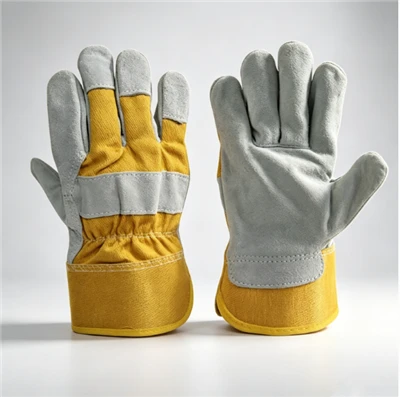
- Heat Resistance: In applications where workers are exposed to high temperatures, such as welding and brazing, cut-resistant gloves may not provide sufficient heat protection. In these cases, workers should wear gloves that are specifically designed for heat resistance, such as leather or aluminized gloves.
Factors to Consider When Choosing Cut-Resistant Gloves for Automotive Work
When choosing cut-resistant gloves for automotive work, there are several factors to consider:
- Cut Resistance Level: The cut resistance level of the gloves should be appropriate for the specific tasks and hazards involved. Workers should refer to the ANSI or EN standards to determine the minimum cut resistance level required for their work.
- Material and Construction: The material and construction of the gloves can affect their performance and durability. Workers should choose gloves made from high-quality materials that are resistant to cuts, abrasions, and chemicals. In addition, the gloves should be well-constructed and comfortable to wear for extended periods of time.
- Dexterity and Grip: As mentioned earlier, dexterity and grip are important factors in automotive work. Workers should choose gloves that allow for a high degree of finger flexibility and provide a good grip on tools and parts.
- Size and Fit: Gloves that are too large or too small can affect the worker’s dexterity and comfort. Workers should choose gloves that fit properly and allow for a full range of motion.
- Compatibility with Other PPE: Cut-resistant gloves should be compatible with other personal protective equipment (PPE) that workers are required to wear, such as safety glasses, face shields, and respiratory protection.
Conclusion
In conclusion, cut-resistant gloves can be a valuable addition to the safety equipment used in the automotive industry. They provide effective protection against cuts and lacerations, which are common hazards in automotive work. However, it’s important to choose the right type of gloves for the specific tasks and hazards involved. Workers should consider factors such as cut resistance level, material and construction, dexterity and grip, size and fit, and compatibility with other PPE when choosing cut-resistant gloves.
Impact-resistant Gloves As a supplier of cut-resistant gloves, I’m committed to providing high-quality products that meet the needs of automotive workers. Our gloves are made from the latest high-performance materials and are designed to provide excellent cut protection, dexterity, and comfort. If you’re looking for reliable cut-resistant gloves for your automotive work, I encourage you to contact me to discuss your requirements and explore our product range.
References
- ANSI/ISEA 105-2016 Standard for Hand Protection – Impact Resistant Gloves
- EN 388:2016 Protective Gloves Against Mechanical Risks
- Various research papers on cut-resistant materials and their applications in the automotive industry.
Shanghai Haokuo Security Technology Co., Ltd.
With abundant experience, we are one of the most professional cut-resistant gloves manufacturers and suppliers in China. We warmly welcome you to wholesale premium cut-resistant gloves in stock here and get free sample from our factory. All customized products are with high quality and low price.
Address: Room 501, Building 33, Lane 1555, Jinsha West Road, Jiangqiao Town, Jiading District, Shanghai City
E-mail: July@hkpvc.com
WebSite: https://www.hkglove.com/
