Do horse stall panels need to be grounded for electrical safety? This is a question that often comes up among horse owners and those in the equine industry. As a supplier of horse stall panels, I’ve had numerous discussions with customers about this topic. In this blog, I’ll delve into the science behind electrical safety and whether grounding horse stall panels is a necessary precaution. Horse Stall Panels
Understanding Electrical Safety Basics
Before we can determine if horse stall panels need grounding, it’s important to understand the fundamentals of electrical safety. Electricity, as we know, is the flow of electrons through a conductor. When there’s an electrical fault, such as a short circuit, excess electricity needs a path to safely dissipate. This is where grounding comes in.
Grounding is the process of creating a low – resistance path for electrical current to flow into the earth. In a proper electrical system, grounding protects people and equipment from electrical shocks and damage. For example, in a household, electrical appliances are grounded so that if there’s an internal short – circuit, the current will flow through the grounding wire to the earth instead of through a person who touches the appliance.
Electrical Hazards in Horse Stalls
In a horse stall environment, there are various electrical components. These can include lights, fans, heaters, and chargers for electronic devices. Malfunctions in these electrical systems can pose a serious threat to horses and handlers. A horse’s body is a good conductor of electricity, and an electrical shock can cause significant injury or even death.
Even a small electrical leakage can be dangerous. Horses may be more sensitive to electrical currents than humans. The symptoms of an electrical shock in horses can range from mild discomfort, such as a reluctance to enter the stall, to severe muscle spasms, cardiac arrhythmias, and respiratory distress.
The Role of Horse Stall Panels in Electrical Safety
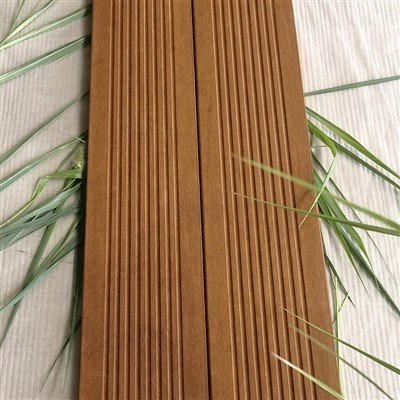
Horse stall panels are typically made of materials like metal, wood, or a combination of both. Metal panels are good conductors of electricity. If there’s an electrical fault in the stall, and the metal panels are not grounded, they can become energized. A horse that comes into contact with the energized panels can receive an electrical shock.
On the other hand, wooden panels are generally poor conductors of electricity. However, if the wood becomes wet (which is common in a stable environment), its conductivity can increase, and it may also pose an electrical hazard.
When Grounding is Necessary
There are several scenarios where grounding horse stall panels is highly recommended:
-
Metal Panels in Close Proximity to Electrical Equipment
If your horse stall panels are made of metal and are located near electrical fixtures, appliances, or wiring, grounding is crucial. For example, if you have a metal panel right next to a light fixture or a fan, and there’s a short – circuit in the electrical device, the metal panel could quickly become energized. Grounding the panels would provide a safe path for the electrical current to flow to the earth, preventing the horse from getting shocked. -
Areas with High Lightning Risk
In regions where lightning strikes are common, grounding the horse stall panels can be a lifesaver. Lightning is a powerful electrical discharge that can strike a building or a structure. If the stall panels are not grounded, a lightning strike could cause a large amount of electrical energy to be trapped within the panels, endangering the horses inside. Grounding the panels helps to direct the lightning’s energy safely into the ground. -
Stalls with Wet Conditions
As mentioned earlier, wet conditions can increase the conductivity of stall materials, including wood. If your stalls are frequently wet due to cleaning, watering systems, or humidity, grounding the panels (even wooden ones) is a good idea. This is because the increased conductivity can lead to electrical leakage, and grounding provides a safety mechanism to prevent electrical shocks.
Grounding Methods for Horse Stall Panels
If you decide that grounding your horse stall panels is necessary, there are a few methods to achieve it:
-
Driven Ground Rods
This is one of the most common grounding methods. A copper or galvanized steel ground rod is driven into the earth near the stall panels. The panel is then connected to the ground rod using a grounding conductor, such as a copper wire. The ground rod should be at least 8 feet long and driven deep into the soil to ensure good contact with the earth. -
Grounding Electrodes System
This involves using multiple ground rods or other grounding electrodes (such as a metal water pipe system) connected in a network. This system provides a more effective grounding path, especially in areas with high electrical activity or poor soil conductivity.
Challenges of Grounding Horse Stall Panels
While grounding can significantly enhance electrical safety, there are also some challenges associated with it:
-
Cost
The cost of implementing a grounding system can be a deterrent for some horse owners. Ground rods, grounding conductors, and professional installation (if required) can add up to a significant expense. -
Maintenance
Grounding systems need regular maintenance to ensure their effectiveness. The ground connections can corrode over time, and the soil around the ground rods can dry out, reducing the conductivity. Periodic inspections and maintenance are necessary to keep the grounding system in good working condition.
As a Horse Stall Panels Supplier
As a supplier of horse stall panels, I understand the concerns of horse owners regarding electrical safety. I always recommend that my customers assess their specific situation to determine if grounding is necessary. If the electrical setup in the stall is complex, or if the stall is located in an area with high electrical risks, I strongly advise grounding the panels.
I also offer advice on the best grounding methods and can provide information on reliable contractors who can install a proper grounding system. Our company is committed to providing high – quality horse stall panels that not only meet the aesthetic and functional needs of our customers but also prioritize the safety of their horses.
Is Grounding Always Necessary?
In some cases, grounding may not be strictly necessary. For example, if the stall is equipped with a modern, well – maintained electrical system that has proper insulation and circuit protection, and the stall panels are made of non – conductive materials and are not in close proximity to electrical equipment, grounding may be less of a concern. However, it’s still important to conduct a risk assessment to ensure the safety of the horses.
Contact Us for Your Horse Stall Panels Needs
Whether you’re just starting to build a new stable or looking to upgrade your existing horse stalls, electrical safety is a crucial aspect to consider. At our company, we offer a wide range of high – quality horse stall panels that can be customized to meet your specific requirements. Our team of experts is always ready to answer your questions about electrical safety and grounding.
Outdoor Bamboo Wall Panels If you’re interested in purchasing our horse stall panels, or if you need more information on grounding and electrical safety in horse stalls, please don’t hesitate to contact us. We look forward to helping you create a safe and comfortable environment for your horses.
References
- "Electrical Safety in Equine Facilities" by the American Association of Equine Practitioners.
- "Horse Stable Design and Construction" by the University of Kentucky Cooperative Extension Service.
- "Electrical Systems for Agricultural Buildings" by the National Ag Safety Database.
Fujian Jingmingsheng Forestry Technology Co., Ltd.
As one of the most professional horse stall panels manufacturers and suppliers in China, we offer a wide range of products with superior quality. With abundant experience, we warmly welcome you to wholesale bulk horse stall panels in stock here from our factory. Customized orders are welcome.
Address: No. 1, Daban, Fuzhuang, Xiyang Town, Yongan City, Sanming City, Fujian Province
E-mail: 17759790120@163.com
WebSite: https://www.jingangzhu.com/
