Hey there! If you’re staring at a DIY distribution panel kit on your garage workbench or scrolling through home improvement forums asking “Can I install a distribution panel myself?” — you’ve come to the right place. I’m part of the team that supplies distribution panels to contractors, homeowners, and electricians all over, and let’s cut through the noise here: this is way more than swapping an old light switch. I’ve seen too many people try to save a few bucks and end up with tangled wires, code violations, or even dangerous issues that could cause fires. Let’s break this down honestly, no fancy jargon, just real talk from someone who sells these things every single day. Distribution Panels

First off, what even is a distribution panel? For anyone who doesn’t know, it’s that big metal box in your basement or garage that splits the main power from your utility company into all the circuits in your house — your fridge, your outlets, your AC, that new gaming setup you just unboxed. It’s the heart of your electrical system. So messing with it isn’t like hanging a shelf or painting a room; this is high-voltage stuff. But before we jump into whether you can do it yourself, let’s cover the basics you need to know.
Wait, let’s start with the obvious: if you have any doubt at all, don’t do it. I’ve had customers come to me with panels they tried to install themselves, where the ground wires were twisted wrong or the main breaker was rated for less power than their house needs, and they’re panicking because they don’t know where to start. But if you’re the type of person who loves following exact instructions, has worked with electrical tools before, and knows how to turn off the main power safely (and I mean actually turning off the main utility disconnect, not just flipping a breaker), let’s talk about the rules here.
In most places — and I can’t stress this enough, so I’ll say it twice — local building codes and electrical safety regulations require a licensed electrician to install a distribution panel. Why? Because those codes are written by people who’ve studied how to prevent electrical fires, shocks, and other hazards. For example, a lot of areas mandate that the panel be mounted a specific height, that all wires have the correct insulation, and that the main breaker is sized properly for your home’s service. If you skip a step here, you could fail your home inspection, which means you’ll have to pay an electrician to redo the work anyway, plus the cost of your DIY parts that might not meet code.
But let’s say you still want to try — maybe you’re doing a small outbuilding, like a garden shed, where the load is low and the codes are a bit more flexible? Even then, there’s a lot you need to get right. Distribution panels aren’t just a box with some slots for breakers. When you’re installing it, you have to run the correct size feeder wire from the utility meter to the panel. Too thin a wire, and it can overheat and cause a fire. Too thick, and you’re wasting money on wire you don’t need. Then there’s grounding and bonding — that’s the part that keeps you from getting shocked if something goes wrong. If you don’t bond the neutral and ground bars correctly, you could have a dangerous situation where metal parts of your appliances get energized.
I’ve seen this too many times: a guy buys a cheap panel online, watches a couple YouTube videos, and decides to go for it. He runs the wire, mounts the panel, flips the main breaker — and then the whole house goes dark, or worse, the breaker trips every time he turns on a single light. Half the time, it’s because he didn’t calculate the load correctly. A standard 150-amp panel can handle about 18,000 watts total, but if you add a new oven, a hot tub, and some extra outlets for a workshop, you might need a 200-amp panel. Most DIYers don’t realize that miscalculating load is one of the most common reasons for panel failures.
Now, let’s talk about the parts we supply, because that’s what I know best. When you buy a distribution panel from us, we include a manual that has all the specs, but we always tell our customers (whether they’re electricians or DIYers) that if they’re not 100% confident in their skills, they should hire a pro. Our panels are built to meet national standards, but installation is just as important as the panel itself. For example, if you get a 200-amp panel from us, it’s designed for 200-amp service, but only if you use the right feeder wire (usually 4/0 copper, for anyone who’s curious) and install the main breaker correctly. Mess that up, and even a high-quality panel from us won’t work safely.
Wait, but what about small projects? Like adding a sub-panel in a garage for power tools? A lot of people do that as a DIY, and in some places it’s allowed — but only if you follow the code for sub-panels. Sub-panels don’t have a main breaker, so you have to connect them to the main panel correctly, and you have to have a separate ground rod for the sub-panel. If you skip that ground rod, you can get a ground fault that trips breakers randomly, or worse, causes an electrical arc. And again, inspections are non-negotiable in most areas. Even if you do it “by the book,” you need to have a city inspector sign off on the work — and if they find mistakes, you’re back to square one.
Let’s get real about the risks here. Electrical issues are no joke. The U.S. Fire Administration says that electrical fires cause about 500 deaths every year, and a lot of those are from improper panel installations. If you install a panel wrong, you’re not just risking your safety — you’re risking your family, your pets, and your home. That $200 you saved by doing it yourself could turn into a $10,000 repair if there’s a fire, plus medical bills if someone gets shocked.
But I’m not here to bash DIYers — I actually respect people who want to save money and do things themselves. If you’re set on trying, here’s what you need to do first: check your local building department’s website. Every city and county has specific rules, so don’t rely on what you saw on a random YouTube video. Some areas let homeowners do electrical work on their own property, but only if it’s for their primary residence and they don’t resell it for a certain number of years. Others require a permit, and you have to pass an inspection before you can use the power. If you skip the permit, you could have issues when you sell your house — appraisers and inspectors will flag unpermitted electrical work, which could lower your home’s value or even stop the sale altogether.
Another thing: tools. You can’t just use a screwdriver and a pair of pliers for this. You need a voltmeter to make sure the power is off before you touch any wires, a cable ripper to strip the insulation off the wire correctly, a crimping tool for terminals, and a breaker bar for the main breaker. If you don’t have these tools, you’ll have to rent them, which adds to the cost — and if you use the wrong tool, you could damage the panel or the wire, creating a hazard.
Wait, let’s circle back to who this is for. If you’re a licensed electrician, go for it — you know all the codes, you have the tools, you know how to calculate load and run wires safely. We love working with electricians, because they know how to get the most out of our panels, and they can install them correctly. But if you’re a homeowner with no electrical experience, my advice is simple: hire a pro. I’d rather you buy a panel from us and have a licensed electrician install it than you try to do it yourself and end up with a problem that costs way more to fix.
I get it, buying a panel can feel like a big expense, especially if you’re on a tight budget. But think of it this way: a good distribution panel is an investment in your home’s safety. Our panels are made with durable metal, high-quality breakers, and they’re tested to meet all national standards. That’s why a lot of electricians come to us when they need panels for jobs — they know they can trust our products. If you do decide to work with an electrician, they’ll probably recommend a brand like ours, because they know our panels are easy to install correctly, which saves them time and their customers money.
Let me give you a quick example. Last month, a customer came to us with a story: he installed a panel himself in his new shop, and a month later, a wire came loose and caused a fire that burned half his shop. He had to replace the panel, the wiring, and his tools, and he was lucky no one got hurt. He told us he saved $500 by doing the install himself, but the total cost ended up being over $10,000. That’s the risk you take when you skip the pros.
Another thing to consider: warranties. Most quality distribution panels have a warranty, but only if they’re installed by a licensed electrician. If you install it yourself and something goes wrong, the warranty might be void. We stand behind our panels, but we have to follow the manufacturer’s terms, which usually require professional installation for the warranty to be valid. That’s not a way to trick people — it’s because improper installation is the number one reason panels fail, and manufacturers can’t cover damage from user error.
So, to answer the original question: Can I install a distribution panel myself? The answer is, it depends. If you’re a licensed electrician with the right skills, tools, and knowledge of local codes, maybe. If you’re a homeowner with no electrical experience, no, you shouldn’t. The risks are too high, the codes are too strict, and the cost of a mistake is way more than the savings from doing it yourself.
Now, if you are an electrician or a homeowner who’s working with an electrician and just need a reliable distribution panel for your project, we’ve got you covered. Our team can help you pick the right panel size for your home or outbuilding, answer any questions about specs, and make sure you get the right parts to make the install go as smoothly as possible.
Don’t risk your safety, your home, or your money on a DIY panel install. If you need a distribution panel, reach out to our team to chat through your project and get the right product for your needs. We’re here to help, whether you’re a seasoned pro or just figuring out what size panel you need.
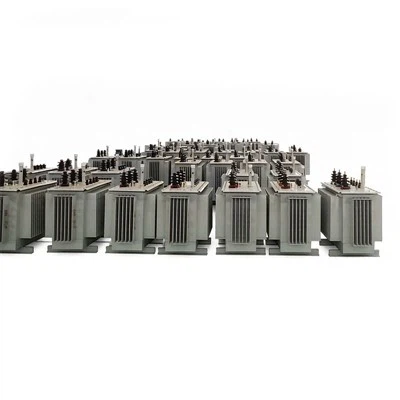
And a quick note before I wrap up: always prioritize safety when it comes to electrical work. If you have any doubt, call a licensed electrician. It’s worth the peace of mind.
Box Type Substation References
National Electrical Code (NEC) Handbook. National Fire Protection Association.
U.S. Fire Administration Electrical Fire Statistics.
Local Building Codes for Electrical Installations, U.S. Department of Housing and Urban Development.
Jiangxi Yihong Electric Power Technology Co., Ltd.
Address: Chating Industrial Park, Guangxin District, Shangrao City, Jiangxi Province
E-mail: 15779933057@163.com
WebSite: https://www.yihcn.com/
