If you’ve ever stood in a fabric supply closet, mid-order for your store, and stared at a pile of $1 bandanas from a wholesale lot that frayed after one wash or stretched so loose around your wrist it slid down to your elbow, you know exactly why quality matters to anyone who relies on these little pieces of fabric. As someone who’s been in the bandana supply business for nearly 12 years—first as a kid hauling bales of cotton out of my dad’s small workshop, now as the owner of a full-time bandana supplier that works with small boutique brands, retail chains, and even custom costume makers across North America—I’ve spent thousands of hours inspecting, testing, and sorting bandanas to separate the ones that last from the ones that fade fast, pill, or fall apart at the first seam stress. Bandana
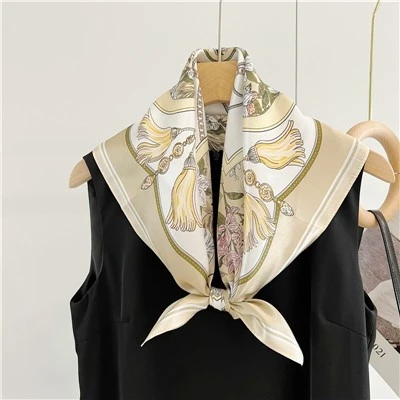
A lot of buyers, especially new ones who are building a line of custom accessories or restocking their shop, think a “good” bandana is just one that’s cheap enough. But that’s a mistake. Bandanas aren’t just decorative pieces—they’re worn as face coverings, tied around tool belts for work, used as dog bandanas that get dragged through mud, and wrapped around hair for workouts where they’re soaked in sweat. The quality you choose directly affects customer satisfaction, your brand’s reputation, and how often people come back to buy from you.
So how do you tell a high-quality bandana apart from a one-and-done? It’s not a trick, and it doesn’t require a fancy lab. You can test and inspect a single bandana in 5 minutes, even if you don’t have a background in textile manufacturing. I’m going to break down exactly what I look for, what I’ve taught my team to check every time we process a new shipment, and the small, easy tests that have saved us and our clients from wasting money on low-quality stock.
First, start with the fabric weight and the feel, but don’t just judge by the thickness of the material. A lot of cheap bandana suppliers will use a thin, lightweight cotton that feels flimsy, but some higher-quality ones might use a slightly heavier fabric that still feels soft, not stiff. The industry standard for a good bandana is 4.5 to 6 ounces per square yard (oz/yd²). That’s the weight you’ll see listed on most fabric spec sheets, but if you don’t have a spec sheet, there’s a simple way to test it: hold a single, unwashed bandana up to a window or a bright light. A high-quality one will block most of the light—you’ll barely see a glow through it, maybe only a tiny bit along the edges of the weave. A low-quality one, especially a cheap imported one, will look almost transparent; you’ll see the light shine right through the middle of the fabric. That’s a quick visual check anyone can do, no tools needed.
That weight range matters because it balances durability and comfort. Anything over 6 oz/yd² is too heavy— it’ll feel scratchy when worn against skin, and it won’t drape nicely around a wrist or neck. Anything under 4.5 oz/yd² is too thin: it’ll stretch out after a couple of wears, fray at the edges, and tear easily if you’re using it for work or tying it tight. We once tested a batch of bandanas from a supplier that advertised as “heavy-duty” but only weighed 3.8 oz/yd². Our team pulled one, tied it around a wooden handle to test its strength, and it ripped clean through the hem in 10 seconds. That’s the kind of loss you can’t afford if you’re selling these to customers who expect a product that lasts.
Next, the weave—this is where a lot of low-quality bandanas cut corners, and it’s the easiest thing to inspect without even touching the fabric. Most bandanas are made from a plain weave: one thread over, one thread under, repeating, which is strong and versatile. But the key here is how evenly the threads are spaced, and how tight the weave is. Take a close look at the surface of the bandana, right in the middle. A high-quality bandana will have a consistent weave: no gaps between threads, no areas where a group of threads is thicker or thinner, no loose little “floater” threads sticking out. If you see tiny, irregular holes or gaps between the threads, that’s a sign the weave is loose, which means the fabric will pill after a few washes and fray much faster.
Another way to test the weave is to stretch the bandana gently across your thumb and index finger. Pull it just a little, not hard—you don’t want to damage it. A high-quality bandana will give a tiny bit, like a good t-shirt, but it won’t stretch and stay stretched. If it stretches more than an inch before your fingers, or if it won’t bounce back to its original size when you let go, that’s a sign the weave is too loose, or the fabric has a lot of low-quality synthetic blend fibers that don’t hold their shape. We tested a batch of polyester-cotton blend bandanas a couple of years ago that stretched so much after the first wash they turned into shapeless rags. Customers kept returning them, and we ended up eating the cost of the entire lot.
Then there’s the edge finish, which is the part that most buyers overlook, but it’s what makes a bandana last way longer. Cheap bandanas almost always have a folded-over hem that’s stitched with a single, thin line of thread, or sometimes no hem at all—just cut edges that will fray within a week. High-quality bandanas, on the other hand, have a double-stitched, folded hem, or sometimes a serged edge (that tight, overlock stitch you see on clothing to prevent fraying) along all four sides. If you pick up a bandana, run your fingernail along the edge. A well-finished edge will feel smooth, not scratchy or rough, and there won’t be any loose threads sticking out from the hem. If you see loose threads, pull one gently—if it comes out easily, that’s a sign the stitching is cheap and will come undone when the bandana is washed or worn.
We once worked with a small boutique that bought a huge batch of bandanas from an overseas supplier for a summer pop-up. They sold 200 of them in two weeks, but by the end of the month, 80% of the returns were because the edges had frayed so bad the bandanas looked like they’d been stored in a drawer for years. The supplier refused to take them back, so we ended up re-hemming the entire batch for them at a fraction of what they’d paid, just to keep them as a client. That mistake cost both the boutique and the supplier a lot of money—all because they skipped checking the edge finish.
Color is another big one, especially if you’re selling custom bandanas or expect your product to hold its color after multiple washes. A lot of cheap bandanas use low-cost reactive dyes that bleed when wet, fade in the sun, and turn pale after two or three washes. High-quality bandanas use either pigment dye or reactive dye that’s properly set, which means the color stays vibrant even after dozens of washes. There’s a simple test for this: take a damp white paper towel or a white cotton t-shirt (something you don’t care about) and rub it firmly over a small, unwashed area of the bandana, like the corner. If any color transfers onto the towel or shirt, that’s a sign the dye isn’t set properly. That means when your customer washes the bandana for the first time, the entire color will run, stain other clothes, and fade fast.
We also test color fastness by leaving a bandana in direct sunlight for 72 hours. High-quality bandanas will only fade a tiny bit, if at all. Cheap ones will fade so much you’ll barely recognize the original color. We had a client who made custom bandanas for a music festival, and they used a low-quality yellow dye that faded to almost white after just three days outside. They had to refund every customer who bought one, which almost put them out of business. That’s the kind of risk you can avoid by doing a simple color test before you place an order.
Don’t forget to check the size, too. A lot of suppliers advertise bandanas as “22 by 22 inches” but they’re actually smaller when they’re finished, or they shrink a lot after the first wash. A high-quality bandana will stay consistent in size, even after multiple washes. To test this, measure the bandana when it’s brand new, then wash it on a regular cycle with detergent, dry it on high heat, and measure it again. A good bandana shouldn’t shrink more than 5%—so a 22 inch bandana should be at least 20.9 inches after washing. If it shrinks more than that, the fabric is low quality, or it wasn’t pre-shrunk before it was cut and sewn. Cheap suppliers often skip pre-shrinking, which means your customer will end up with a bandana that’s too small after the first wash. We once had a retail client who complained that half their inventory of bandanas was too small after the first wash—turns out the supplier didn’t pre-shrink the fabric, so they lost thousands of dollars in stock that they couldn’t sell.
Another test I swear by is the wash test. Once a week, when we get a new shipment of bandanas, we wash a handful of them to see how they hold up. We use regular detergent, warm water, and dry them on high heat, just like a customer would. After five washes, we inspect them for pilling, fading, fraying, and stretching. High-quality bandanas will look almost the same as when they were new—no pills, no fraying edges, color still vibrant, size unchanged. Cheap ones will have pills all over the surface, frayed edges, faded color, and stretched out so much they’re almost unrecognizable. We had a supplier once send us a batch that pilled so bad after three washes, the bandanas looked like fuzzy old blankets. We had to reject the entire shipment, which cost them a delivery fee and caused a delay for our other clients.
Of course, there are a few things to look for if you’re ordering custom bandanas, too. If you’re adding a logo or a print to the bandana, make sure the print is done with water-based ink, not plastisol ink. Plastisol ink is thick and rubbery, and it will crack and peel off after a few washes. Water-based ink is flexible, and it stays on the fabric, so the print will last as long as the bandana. We once had a client who wanted custom printed bandanas for a sports team, and they went with a cheaper supplier that used plastisol ink. The print cracked and peeled off after one wash, and the team had to throw out all 500 bandanas. That’s a mistake that’s easy to avoid if you ask about the ink before you place an order.
Now, I know a lot of buyers are worried about cost. It’s easy to see a $1 bandana and think it’s a great deal, but the long-term cost of low-quality bandanas is way higher than the cost of a good one. Let’s do the math: if a cheap bandana costs $1 and lasts 10 washes, that’s 10 cents per wash. A high-quality bandana costs $3 and lasts 50 washes, that’s 6 cents per wash. So you’re actually saving money in the long run, not wasting it. Plus, repeat customers are way more valuable than one-time buyers. If someone buys a bandana that lasts, they’ll come back to buy another one, and tell their friends about your brand. If they buy a cheap one that falls apart, they’ll never buy from you again, and they’ll warn their friends not to either.
As a bandana supplier, that’s why we put so much time and effort into testing every single shipment we get. We don’t just take a supplier’s word for it when they say their bandanas are “heavy-duty” or “colorfast.” We test every one of them, because we know that the quality of the products we sell reflects on us, and on our clients. We’ve built our business on that trust—for 12 years, we’ve worked with small brands and big retailers alike, because we deliver a product that lasts, at a fair price.
If you’re a retailer, a brand owner, or someone who needs bandanas for an event or a project, and you’re tired of wasting money on low-quality stock that returns frayed, faded, or falling apart, I want to help. We can send you sample bandanas, walk you through our testing process, and work with you to make sure you get the right product for your needs. No more guessing, no more returns, no more wasted time and money. We’ve spent years perfecting our process, and we know what it takes to make a bandana that customers love, and that you can feel confident selling.
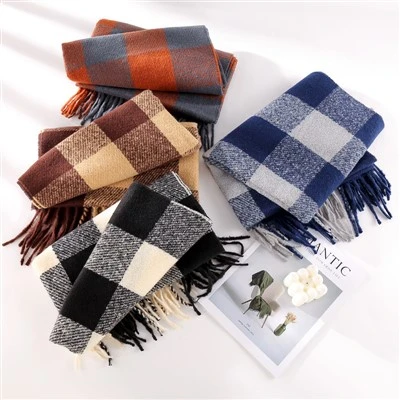
If you’re ready to stop settling for bandanas that don’t deliver, reach out to us today to discuss your needs. We’ll send over a set of samples, answer any questions you have, and help you place an order that fits your budget and your quality standards. Your customers will thank you, and your bottom line will too.
Scarf References
- Textile Institute. (2018). Textile Quality Standards for Apparel and Accessories: Bandana Specifications. Manchester, UK: Textile Institute.
- Cotton Council International. (2020). Cotton Fabric Weight and Durability for Consumer Textiles. Washington, DC: Cotton Council International.
- Occupational Safety and Health Administration (OSHA). (2019). Personal Protective Equipment: Bandana Use for Worksite Safety. Washington, DC: U.S. Department of Labor.
- American Association of Textile Chemists and Colorists (AATCC). (2021). Test Methods for Color Fastness to Washing and Light. Research Triangle Park, NC: AATCC.
- National Retail Federation. (2022). Consumer Returns Trends in Apparel and Accessories: The Impact of Product Quality. Washington, DC: National Retail Federation.
Deqing Boliya Silk Co., Ltd.
Deqing Boliya Silk Co., Ltd. is one of the most professional bandana manufacturers and suppliers in China, featured by quality products and good service. Please rest assured to wholesale the newest bandana in stock here and get quotation from our factory. We also accept customized orders.
Address: Baibiao Industrial Zone, Xinshi Town, Deqing County, Zhejiang Province, China
E-mail: boliya@boliyasilk.com
WebSite: https://www.boliyasilk.com/
