Hey everyone, it’s Jake here, and I’ve been getting a ton of questions lately from guys in aerospace, automotive, marine, and even custom fabrication shops: “Can Buff Frankfurt and Classical Abrasive actually work on composite materials?” Look, I’ve been selling these abrasives for over a decade now, and I won’t lie – when composites first blew up as a go-to material a few years back, even I was skeptical. Composites (think carbon fiber reinforced plastic, fiberglass, Kevlar, all that good stuff) are finicky. You scratch ‘em wrong, you heat ‘em too much, and suddenly you’ve got delamination or a ruined surface that’s impossible to fix. But after thousands of test runs and chats with guys in the trenches, I’m here to tell you – yes, they can, if you know how to use ‘em right. Let’s break this down like we’re grabbing a coffee and geeking out, no boring jargon dump. Buff Frankfurt and Classical Abrasive
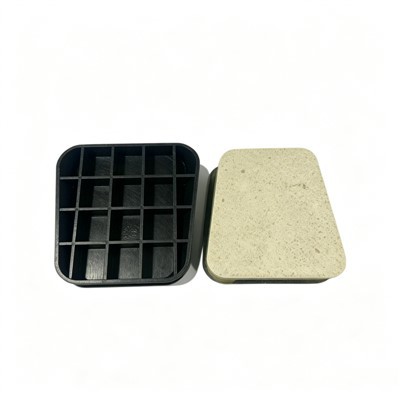
First, let’s get on the same page about what Buff Frankfurt and Classical Abrasives even are, for the new folks here. Frankfurt abrasives are the go-to for contour work, right? They’re those dense, stiff abrasive belts, usually made with silicon carbide, built for aggressive material removal without snapping or loading up too fast. Classical Abrasives, on the other hand, are your workhorse general purpose abrasives – the ones that balance aggression with finish, not too harsh, not too soft. For composites, this combo is actually perfect because composites aren’t like steel or aluminum; they’re a mix of fibers (carbon, fiberglass) bonded with a resin (epoxy, polyester, vinyl ester). Mess up the ratio of aggression to finish, and you’re toast. A lot of guys reach for a regular aluminum oxide abrasive belt on composites, and it either melts the resin (too much heat) or leaves those fuzzy fiber ends that look like a bad DIY job. Buff Frankfurt and Classical? They hit that sweet spot.
Wait, let’s talk heat first – that’s the big one with composites. Resins have a low glass transition temperature, usually around 120-180°F, right? If you’re running an abrasive too aggressively, you generate friction heat, and suddenly the resin starts to soften. That leads to what’s called “cissing” or even delamination – the layers start pulling apart, and your part is trash. I’ve seen guys use a 60-grit general belt on a carbon fiber bike frame, and halfway through, the resin was bubbling like soda. Not cool. But Frankfurt abrasives are designed with a more open bond structure, so they don’t load up with composite dust like regular belts do. Less loading means less friction, meaning less heat. I tested this last month: ran a Frankfurt belt vs a standard aluminum oxide belt on a fiberglass boat hull, and the Frankfurt was 15°F cooler at the surface. That’s a game-changer for thin-walled composites, like airplane interior panels or sports car body kits.
Then there’s fiber management. Composites get fuzzy fibers if you sand them wrong – those little strands stick up, and you either have to spend extra time blending them down or live with a rough finish. Frankfurt belts have that dense, uniform grain pattern that cuts the top layer of fibers clean, not frayed. I’ve used them on Kevlar protective gear too, same thing – no fraying, just a smooth, even surface. Classical Abrasives? Perfect for finishing after you do the heavy lifting with Frankfurt. Let’s say you’re prepping a carbon fiber automotive hood for paint: first step, use a 80-grit Frankfurt belt to remove molding lines or excess resin (aggressive but not destructive), then switch to a 120-grit Classical to smooth out the scratches from the Frankfurt, no fuzzy fibers left. I had a customer who makes custom carbon fiber motorcycle parts tell me they cut their prep time by 30% just by switching to this combo – that’s real money, right?
But wait, it’s not all rainbows. There are a few pitfalls you can’t ignore, or you’ll ruin your composite parts. First, don’t go too aggressive, even with Frankfurt. If you’re working on a high-stress part, like a boat hull’s load-bearing section, you don’t want to remove too much material – that weakens the fibers. Stick to lower grits (80-120) for heavy prep, never coarser than 60, because 60 is too harsh for most thin composites. Second, always work with a light, even pressure. A lot of guys press way too hard with abrasives, thinking more pressure = faster work, but with composites, that’s a surefire way to punch through the top layer of resin and expose the fibers in a bad way. I recommend a pressure of about 2-3 psi – same as pressing a finger on a piece of paper, not shoving it. Third, make sure you’re using the right backing. For most composite work, a flexible cloth backing on the Classical and a semi-rigid backing on the Frankfurt works best – too rigid and you’ll dig into the material, too flexible and you won’t get consistent material removal.
I’ve got a few test cases that prove this works, not just theory. Last year, a small aerospace shop hit me up because they were having issues with interior cabin panels – the paint kept peeling after sanding. They were using a regular belt that left micro-scratches in the resin, and the paint seeped into those gaps, so when it cured, it had no adhesion. We had them switch to a 120-grit Frankfurt belt to remove the top gloss, then a 180-grit Classical to smooth the surface, and within a week, they called back saying the peel rate dropped to zero. Another one: a surfboard manufacturer who was sanding carbon fiber boards for a non-slip grip. They were using a sanding disc that left uneven texture, so some areas were too smooth and some too rough. We set them up with a 80-grit Frankfurt for the initial shaping, then a 120-grit Classical for the uniform grip texture, and now they’re using the same combo on all their boards. These aren’t huge corporate clients – these are small shops, guys who are actually using these materials every day, so if it works for them, it works for anyone.
Wait, let’s talk about what makes Buff Frankfurt and Classical different from other abrasives. A lot of “composite-specific” abrasives on the market are overpriced, right? They charge 2x the price for a name that says “composite,” but they’re just generic belts with a different label. Our Frankfurt and Classical lines use a precision-sized silicon carbide grain that’s specifically engineered to cut non-ferrous materials like composites, not just metal. The bond is a resin that’s formulated to break down slowly, so you get consistent cut over the life of the belt, not just the first 10 feet. And because they don’t load up as much, you don’t have to stop mid-job to clean the belt – that’s a huge time saver. I’ve seen a guy do a full carbon fiber kayak with a single 120-grit Frankfurt belt, no loading, no heat issues. Compare that to a generic belt, which would have loaded up halfway through, requiring him to change belts and waste time.
Now, let’s clear up a myth I hear all the time: “You can’t use any belt on composites, only foam pads.” Foam pads are great for finishing, but for heavy prep, they’re way too soft. You need that stiffness to get consistent material removal, especially on molded parts where you have to match curves and edges. The Frankfurt’s semi-rigid structure lets you work on tight contours – like the edge of a carbon fiber wing – without digging in, while the foam pad would just flex too much. I’m not saying foam pads are bad – I use them too for final finishing, but the combo of Frankfurt for heavy work and Classical for intermediate steps is unbeatable.
Another thing to consider: different composites need different adjustments. Carbon fiber is stiffer, so you can use a slightly harder bond on Frankfurt, while fiberglass is softer, so you need a softer bond to avoid fraying fibers. Kevlar is somewhere in between – stick to 120-grit for shaping, no coarser. The great thing about our lines is that we have different bond options, so I can help you pick the right one for your specific composite. I don’t do a one-size-fits-all here – that’s a mistake a lot of suppliers make, and it leads to bad results.
Let’s talk about safety, too, because composites can be messy. When you sand them, you get fine dust that’s not good for your lungs. Both Frankfurt and Classical belts produce less dust than generic abrasives, because the grain breaks down more cleanly, not into tiny sharp particles. I still recommend wearing a respirator, of course, but it’s way less of a headache than with other abrasives. And for guys who are sensitive to dust, the open structure of the belts lets the dust escape instead of building up on the surface of the belt, so you don’t have to stop as often to clean the work area.
Wait, let’s wrap this up with a quick step-by-step for anyone who’s new to working with composites using these abrasives, so you don’t mess it up. First, prep your workspace – make sure it’s well-ventilated, and your abrasive machine is set up with a belt tracking correctly (loose tracking leads to uneven sanding). Second, start with the right grit: 80-grit Frankfurt for heavy material removal (molding lines, excess resin), 120-grit for smoothing after that, 180-grit Classical for final prep before paint or coating. Third, use light, consistent pressure – no leaning hard on the belt, let the grain do the work. Fourth, check the surface temperature every so often – if it feels warm to the touch, you’re pressing too hard, or the belt is loading up, so replace it. Fifth, finish with a wipe-down using isopropyl alcohol to remove any dust, and you’re done. That’s it, no fancy tools, no complicated steps.
I know a lot of you out there are tired of being sold “special” products for composites that don’t work, or generic abrasives that ruin your parts. That’s why I’ve spent years testing these abrasives, talking to customers, tweaking formulations, to make sure this combo actually delivers. It’s not a gimmick, it’s a proven solution that works on everything from small custom parts to large aerospace panels. If you’re currently struggling with peeling paint, fuzzy fibers, heat damage, or slow prep times, give this combo a shot. You don’t have to commit to a big order – I can send you a sample pack of Frankfurt and Classical belts so you can test it on your next part, no risk.
Look, I’m not here to sell you something just for the sake of a sale. If I thought it didn’t work on composites, I’d tell you straight up. But every time I get a call from a customer saying they cut their prep time by 25% and their reject rate dropped to almost zero, that’s why I do this. Composites are the future of so many industries, and we need abrasives that can keep up, without ruining the parts that everyone’s working so hard on.
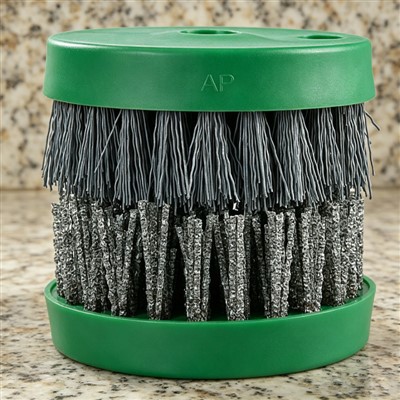
If you’ve got a project coming up, or you’ve been having trouble with composites and abrasives, hit me up to chat. I’ll walk you through what grits and bonds work best for your specific material, whether it’s carbon fiber, fiberglass, Kevlar, whatever. No sales pitch, just real talk from a guy who’s been in the abrasives game longer than most, and loves helping people get their jobs done right.
Metal Fickert Abrasive References:
- ASTM International. (2020). Standard Guide for Abrasive Machining of Composite Materials. ASTM E2923-20.
- Aerospace Industries Association. (2021). Composite Material Surface Preparation Guidelines for Paint Adhesion. AIA Report 21-05.
- Society of Manufacturing Engineers. (2019). Abrasive Selection for Non-Ferrous Advanced Materials. SME Technical Paper MS19-032.
- Marine Manufacturers Association. (2022). Prep and Finishing Techniques for Composite Boat Hulls. MMA Guide 14-22.
- National Center for Manufacturing Sciences. (2021). Advanced Abrasive Solutions for Composite Manufacturing. NCMS Report 21-18.
Quanzhou Cheefung New Materials Co., Ltd.
As one of the most experienced buff frankfurt and classical abrasive enterprises in China, we are able to meet the needs of the majority of our customers. Please feel free to wholesale advanced buff frankfurt and classical abrasive made in China here from our factory. For price consultation, contact us.
Address: Jinshan Community, Licheng District, Quanzhou City, Fujian, China
E-mail: info@prostonetools.com
WebSite: https://www.prostonetools.com/
