If you’ve ever shopped around for cold room wall sandwich panels (trust me, I’ve had 100+ conversations about these with small business owners and warehouse managers), one question comes up again and again: Do these things actually come with edge sealing? Cold Room Wall Sandwich Panels
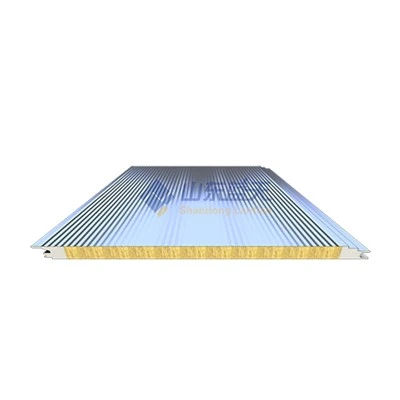
I get why it’s such a big deal. If you’re building a walk-in cooler for a restaurant, a blast freezer for a food storage startup, or a cold storage unit for pharmaceuticals, you don’t want tiny air gaps or leaks around panel edges ruining your energy bills or, even worse, the integrity of the stuff inside. Back when I first started selling these panels (over 8 years ago now), a lot of suppliers would skip edge sealing to cut costs—they’d wrap the main panel in insulation and leave the sides raw, like a unfinished wooden bookshelf. That sounded cheap… until customers realized they were losing 20% more cold air every month, or moisture was seeping in and rotting the panel’s core.
So let’s cut through the noise here. No, not all cold room wall sandwich panels come with edge sealing. That’s the honest truth. But that’s also why, as a supplier, I’ll tell you straight: if you’re buying panels without edge sealing, you’re making a mistake that’ll cost you later.
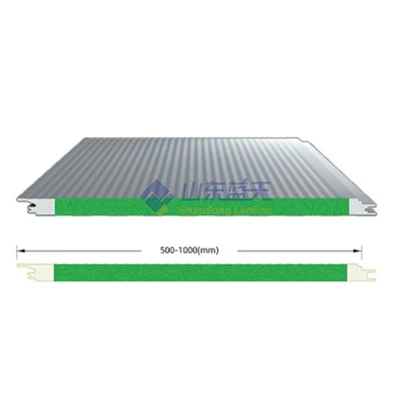
First, let’s break down what edge sealing even is, because a lot of folks mix it up with the panel’s core or outer metal skins. A sandwich panel is three parts, right? Two thin metal skins (usually galvanized steel or aluminum, sometimes stainless steel for heavy-use spots) and a closed-cell insulation core in between—polyisocyanurate (PIR) is the go-to for cold rooms, sometimes polyurethane (PU) for smaller setups. Edge sealing is a tight, water-resistant, airtight seal that covers the exposed ends of that insulation core where the two skins don’t meet. It’s not just a sticker or a thin plastic wrap; it’s a continuous layer, usually made of the same insulation material (or a matching foam adhesive) that bonds to both metal skins to close those gaps.
Why does that matter? Think of your cold room as a house for cold air. If you have gaps around the edges of each panel, cold air can escape, and warm, moist air from outside can sneak in. For cold storage, that means your refrigeration unit has to work way harder to keep temperatures steady—energy bills jump, and if you’re running a blast freezer, those extra work hours add up fast. For food businesses, moisture seeping in can cause mold on panel cores (no one wants a moldy cold room), or make packaged goods stick together. For pharmaceuticals, even tiny temperature fluctuations can ruin vaccines or sensitive meds.
Now, why do some suppliers skip edge sealing? Simple: it’s an extra step in production. Sealing each panel’s edges takes time and materials, so suppliers that prioritize low upfront costs will often skip it to undercut the competition. But here’s the catch: those “cheaper” panels end up costing you more in the long run. I’ve had a customer last year who bought 50 panels from a guy on Alibaba that didn’t have edge sealing. He called me three months later, saying his refrigeration was running 24/7 instead of 18, and his electric bill was $1,200 higher a month. We pulled the old panels out, installed ones with edge sealing, and his bill dropped right back to normal in 2 weeks. That’s no small potato for a small café, by the way.
Wait, but I’ve seen some panels that do have edge sealing—how do you tell if it’s good? Not all edge sealing is created equal, either. A lot of cheap seals are just a thin layer of foam that peels off after a year, or they don’t bond to the metal skins properly, leaving tiny gaps. The best edge sealing for cold room panels is “full perimeter sealing”—it covers all four edges of the panel (the top, bottom, left, and right ends) and extends just a tiny bit onto the metal skins, so there’s no overlap gap where two panels meet when you install them. Also, look for seals that use closed-cell foam—open-cell foam will absorb moisture, which defeats the whole purpose.
Now, let’s get to the thing you probably actually care about: when should you insist on edge sealing? If your cold room is for any of these, don’t even entertain panels without it:
- Walk-in coolers or freezers for restaurants, grocery stores, or food manufacturers (you’re dealing with moisture all the time from food prep)
- Blast freezers (these run super cold, so air leaks are way more noticeable)
- Cold storage for pharmaceuticals, vaccines, or sensitive goods (temperature consistency is non-negotiable)
- Outdoor cold rooms (exposed to rain, snow, and temperature swings—edge sealing keeps moisture out)
If you’re building a tiny, portable cold box for a weekend pop-up or a small wine cooler that only runs 50 degrees, maybe you can get away with panels that have minimal edge sealing. But even then, I’d still recommend full perimeter—you don’t want to deal with a leak in a small space where every bit of cold air counts.
As a supplier, here’s what I offer to all my customers: every panel I ship comes standard with full perimeter edge sealing, no extra charge. I know some people think that’s a trick to raise prices, but honestly, it’s the only way to do right by someone who’s relying on these panels. I also offer a 10-year warranty on the edge seals—if they peel or crack, I’ll replace the panels for free. That’s not something I’d do if I didn’t stand behind the quality.
Wait, but I’ve heard people say that edge sealing can cause issues when you’re cutting panels on-site. Is that a problem? Yeah, if you cut a panel after it’s sealed, you expose the insulation core again, so you’ll need to seal the cut edges yourself with a spray foam or a sealant made for cold room panels. But that’s not a big deal—most installers know how to do it, and I send every customer a free tube of sealant with their order, just in case. The alternative, using a panel that isn’t sealed at all, is way worse than a little extra sealing work on cut edges.
Another common myth: edge sealing makes panels harder to install. No, it actually makes it easier. When panels have sealed edges, there’s no need to stuff foam or caulk in the gaps between them during installation. You just snap them together (most panels have tongue-and-groove edges, right?) and maybe add a little silicone along the outside, but that’s way less work. I’ve had a customer who installed his own 10×12 cold room in a weekend—he said the sealed edges made the process 2x faster than his first one, which had unsealed panels.
Let me also clarify something: sometimes suppliers call “edge sealing” a different name, like “perimeter insulation” or “edge wrap.” Don’t get confused—if it’s not a continuous layer covering all four edges and bonding to the metal skins, it’s not really edge sealing. I’ve had customers come to me from other suppliers, saying they “bought sealed panels,” but when they pulled them out, the edges were just covered with a thin piece of plastic that ripped off in two seconds. That’s a scam, plain and simple.
So, to circle back to the original question: do cold room wall sandwich panels come with edge sealing? The short answer is: it depends on the supplier, and it depends on the quality. Some cheap panels skip it to save money, and some mid-tier or premium panels include it as standard. As someone who’s been in this game for years, I can tell you that cutting corners on edge sealing is one of the worst mistakes you can make with cold room panels. It might seem like a small detail at first, but it impacts your energy bills, your equipment lifespan, and even the products you’re storing.
If you’re in the market for cold room wall sandwich panels, don’t just go for the lowest price. Ask the supplier straight up: “Do these panels come with full perimeter edge sealing, bonded to both metal skins?” If they hem and haw, or say “it’s optional for extra money,” walk away. That’s the kind of supplier that’ll hit you with hidden costs later, and their panels won’t last. I’d rather lose a sale than sell someone a panel that’s going to cause them headaches down the line.
At the end of the day, cold room panels are an investment. You’re not just buying pieces of metal and foam—you’re buying a space that keeps food fresh, meds safe, or products in good condition. Edge sealing isn’t a luxury; it’s a necessary part of making that investment worth it. If you have questions about which panels are right for your space, or want to chat about specs, just reach out—happy to walk you through the details, no pressure, no sales pitch.
XPS Sandwich Panels References
- Industrial Insulation Manufacturers Association (IIMA). (2021). Best Practices for Cold Storage Panel Sealing.
- Food and Drug Administration (FDA). (2022). Temperature Control Guidelines for Cold Storage Facilities.
- Polyisocyanurate Insulation Manufacturers Association (PIMA). (2020). Closed-Cell Foam Performance in Cold Room Applications.
Shandong Lantian New Material Technology Co., Ltd.
Shandong Lantian New Material Technology Co., Ltd. is one of the most reliable manufacturers and suppliers of cold room wall sandwich panels in China, featured by quality products and low price. Please rest assured to buy bulk cold room wall sandwich panels for sale here from our factory. Contact us for pricelist and customized service.
Address: North End of Wanshida Road, Dianzi Town Industrial Park, Boxing County, Binzhou City, Shandong Province
E-mail: Lantian023@ltaaaaa.com
WebSite: https://www.ltpirpanels.com/
