Hey guys, if you’re here, chances are you know how crucial a fast connector is for everything from industrial machinery to telecom networks, even DIY home setups. As someone who’s been supplying fast connectors for over a decade, I’ve seen way too many avoidable issues: connectors getting banged around in toolboxes, exposed to dust and moisture, or just abused because people don’t realize how delicate those tiny internal pins and seals are. Today, I’m breaking down exactly how to protect your fast connector from physical damage—no fancy jargon, just real, tested tips from someone who’s built these things for a living. Fast Connector
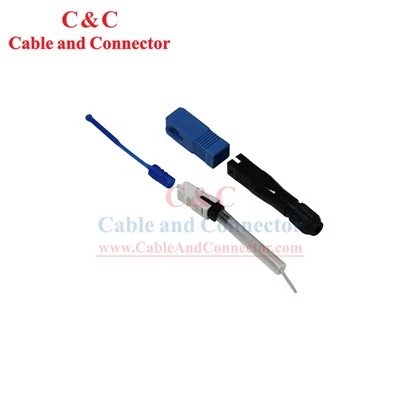
First, let’s start with the obvious but super common mistake: rough handling. I can’t tell you how many times a customer calls me panicking because their new connector’s pins are bent, and they swear they “handled it carefully.” News flash—“careful” in the field and “careful” in a lab are two different things. When you’re grabbing tools, digging through a utility bag, or installing overhead, connectors get jostled. Here’s what I recommend, straight from our production team’s guidelines: never twist or force a connector when plugging it in. Those pins only align one way, and forcing it to seat will either bend a pin or crack the plastic housing. I’ve seen a bent pin on a $0.50 connector take down an entire factory’s conveyor line—now that’s a costly mistake. Pro tip: keep a small, soft cloth in your tool roll just for handling connectors; the fabric prevents scratches on the housing and gives you a better grip to align pins without fumbling.
Next, storage. A lot of people leave connectors loose in their toolboxes, next to wrenches, drill bits, and even old batteries. Those hard metal tools don’t just scratch the plastic—they can press into the connector’s sealing gaskets or knock pins out of alignment. We design our connectors with a small, keyed tab on the housing, so always store them in a compartment where that tab doesn’t get pushed against other items. If you’re storing them long-term (like for a project that’s waiting on parts), toss each connector in a individual anti-static bag—wait, anti-static? Yeah, not just for electronics. If a connector sits in a humid garage for months, dust and moisture can build up on the internal contacts, and while that’s more electrical, a loose bag prevents small critters (spiders, mice—yes, really, I’ve had a customer find a spider nest inside a stored connector) from nesting in the housing. We even include these small bags with every bulk order because it’s such an easy step that makes a huge difference.
Then there’s environmental physical damage—like exposure to extreme temperatures, debris, or impact from falling. Industrial sites, construction zones, even outdoor home projects mean connectors are facing way more than just gentle use. For temperature: our connectors are rated for -40°F to 185°F, but repeated swings (like leaving a connector in a hot car all day then hauling it out in the cold night) can make the plastic housing crack over time. If you’re working in temps that stretch past those ratings, ask us about our heavy-duty weather-sealed models—they have extra-thick housing and reinforced seals that handle way more abuse. For debris: dust, dirt, and even small rocks don’t just get inside the connector; they act like sandpaper when you plug it in, wearing down the contact pins. Always use the protective dust caps that come with every connector. I know it’s easy to toss them the second you unpack a box, but those caps are designed specifically to fit tight and keep debris out. A customer last month told me he skipped the dust cap on a connector for a construction job, and after one day of dumping gravel, the pins were so scuffed they wouldn’t hold a connection—he had to replace three connectors before he learned his lesson.
Impact damage is another big one. If you’re installing connectors in hard-to-reach places (like under a deck or inside a wall), there’s a chance you might drop a connector. The plastic housing looks thick, but a 10-foot drop onto concrete can crack it, even for our heavy-duty models. If you’re working at height, invest in a small lanyard for your connectors—we sell cheap, reusable ones that clip to your tool belt, so you don’t have to scramble to find a connector that fell behind a ladder. I also suggest that when you’re plugging connectors into a panel or device, don’t let the connector hang freely by the cable. The cable strain relief on the connector is designed to hold tension, but yanking on the cable itself will pull the internal pins loose over time. Use a cable tie (but not too tight—leave a little slack) to secure the cable to the mounting point, so the connector isn’t bearing all the weight.
Wait, what about connectors that are already installed, not just in storage? A lot of people overlook installed protection. For outdoor connectors, if they’re exposed to direct sunlight year-round, UV rays can break down the plastic housing, making it brittle and prone to cracking. Look for connectors with UV-stabilized housing—we mark that right on the product specs, so if you’re browsing our site, just filter for “UV-resistant” for outdoor jobs. Also, don’t step on or kick installed connectors—this sounds silly, but I’ve seen it happen more times than I can count. A tech working on a backyard lighting system kicked a connector while grabbing a extra bulb, and the housing cracked, leaving the wires exposed. A quick, cheap plastic cap or even a small piece of electrical tape (though the dust caps are better) can protect installed connectors from accidental knocks.
Now, let’s talk about a common myth: more expensive connectors don’t need as much care. Wrong. Even our top-tier industrial connectors are built with precision, and they still get damaged by the same rough handling as budget models. The difference is that our heavy-duty ones can take a little more abuse, but proper protection still extends their life 2-3 times longer, which saves you money in the long run. I’ve had a customer who switched to buying our bulk heavy-duty connectors instead of cheap ones, and told me he went from replacing 10 connectors a month to only 2—all because he started following these simple protection steps.
So what’s the quick checklist, so you don’t have to remember all this? 1) Handle connectors with care, align pins before plugging, no forcing. 2) Store in separate compartments or anti-static bags, away from hard tools. 3) Always use dust caps when not in use, even for installed ones. 4) Use cable ties to secure installed cables, preventing pull on the connector. 5) For extreme temps or outdoor use, pick UV-stabilized, heavy-duty models.
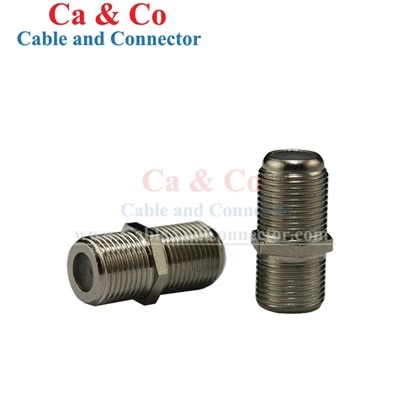
If you’re tired of wasting money on damaged connectors, or you’re not sure which model fits your project’s needs, feel free to reach out to our team. We’ve been supplying fast connectors for years, and we can help you pick the right one plus share custom tips based on your specific use case—whether that’s industrial automation, telecom, home wiring, or something else entirely. Don’t let preventable physical damage slow down your projects or add unnecessary costs; let’s make sure your connectors stay working as hard as you do.
Coax Adapter References
- Fast Connector Manufacturing Association. (2022). Best Practices for Fast Connector Handling and Protection.
- Industrial Electronics Society. (2021). Environmental Impact on Electrical Connector Durability.
- Field Service Technology Journal. (2023). Common Causes of Connector Damage in On-Site Installations.
Zhejiang Cable and Connector Optic Co., Ltd.
As one of the most professional fast connector manufacturers and suppliers in China, we have world-leading production equipment and strong manufacturing capabilities. Please rest assured to wholesale custom made fast connector at competitive price from our factory.
Address: 1517 East Communications Building, No.398, Wensan Road, Xihu District, Hangzhou City, Zhejiang Province, China.
E-mail: Sales@CableAndConnector.com
WebSite: https://www.zjcableandconnector.com/
